
Character Names in The Outsiders - #2
More about the process behind creating character names for The Outsiders
THE OUTSIDERSLITERATUREWRITING
Dave Janas
3/3/20264 min read
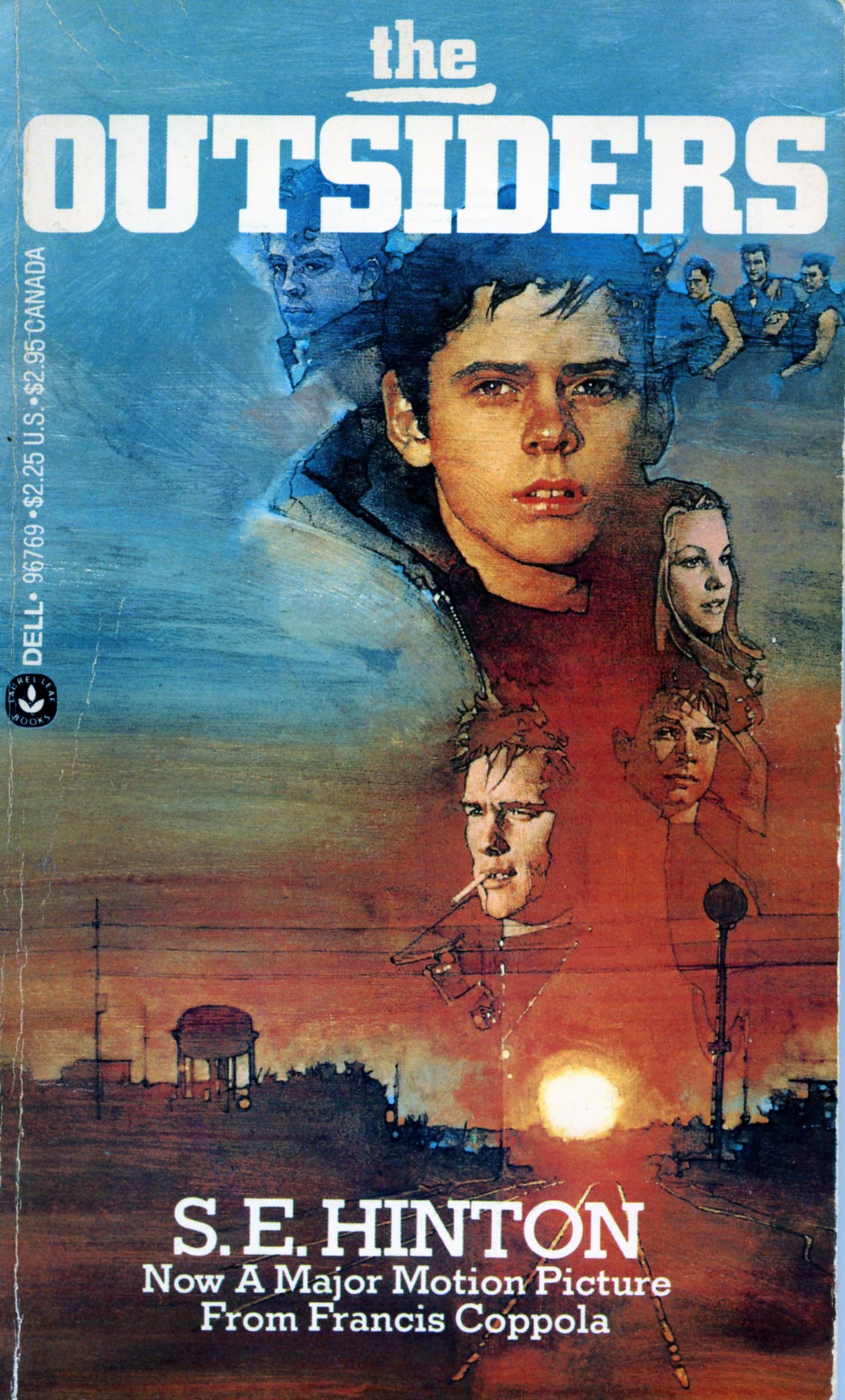

Continuing the exploration behind the creative process of coming up with character names using SE Hinton's The Outsiders in analysis.
What About The Other Names in The Outsiders?
Hinton based her characters on herself and her real friends – both Greasers and Socs, as she had friends in both groups. She likely chose names that were in regard to how she felt about them, while masking their identity. Not a true roman à clef novel, the Greasers are reduced to seven in number, and many friends’ roles in Hinton’s life were likely combined into single characters, based on a couple things Friend A did, something Friend B says, and a whole lot of what Susie Hinton thinks in one part of her brain.
So what of the naming of the other characters? My students were next concerned about SodaPop, and decided that the same original-thinking father was responsible for naming him, just as Ponyboy said he was. ‘He was older than Ponyboy and was named first,’ they said. My students were thinking about the reality inside the novel, in "in-universe" story, but we, writers, think about Hinton’s process. In our reality, Ponyboy was named first, and SodaPop has no inspiration other than a wild, creative name in line with the hero’s, to back up that creative parent who would make his son go through life explaining how he got the name Ponyboy.
What other names might Hinton have tried out in her notes to herself? BubbleGum? HulaHoop? QuarterHorse? Not likely, but writers generate lists precisely for this purpose. And odd names do exist. I went to school with a boy named Ron. His older brother was called “CB,” so I thought it must stand for something. Charlie Brown? Curt Bruce? Family names made short because they didn’t want to call him Junior? Turned out, his name was SeaBee – named by his father for the US Navy men who built bases in the South Pacific during WWII.
But even Hinton pulled in the creative reins with Ponyboy’s brother Darryl, who she decided was a Junior of his parent. However, there are always several students who get confused because of Hinton’s use of nicknames for Darryl and tough-guy Dallas: Darry and Dally. Usually somewhere around Chapter 6, I get a “Wait… Darry is his brother? I thought Dally…”. If we could go back and become Hinton’s editor, I’d make the case to only give one of them the nickname, her choice, but not both.
I don’t have specific origin information for Dallas but our tough guy needed a strong name, something different from the rest of the ‘regular’ names (although reducing his name to Dally does not help his identity). It’s probable Hinton considered several, and this is the one that stuck. The character is not from Dallas – he’s a local but has spent time in New York. She could have bounced several names among her friends and this is the one she and her own tough guy friend liked. Perhaps, yes, after the city, perhaps after a tough guy in a Western movie.
Another creative name is the nickname of Two-Bit, with his ‘secret identity’ Keith. This one could reflect one of Hinton’s true, funny friends, who, as she said, was always throwing his two-bits into any discussion or situation. Or even named after a rodeo acquaintance. Guaranteed, like carnival workers, half the rodeo population is only known to many by their situation-based nicknames. I once knew a carny dubbed “PorkChop” and have used that name in my writing. The Chicago Bears used to have a defensive tackle named William Perry. The press dubbed him “The Refrigerator” or “Fridge” because he was that big. His teammates, however, called him “Biscuit” because he was just a “biscuit shy of 350 pounds.”
For Johnny, Hinton liked the name Johnny, a good, two-syllable name to write often with Ponyboy. And you want a one- or two-syllable name, here, not another three-syllable name; reading/hearing “Po-ny-boy and Jon-a-than” would get tiresome. And Johnny’s name is always used in the diminutive ‘Johnny,’ not John, giving play to the idea that Johnny looked younger than his sixteen years.
Steve? Bob? Randy? Marcia? Just typical names. Kind of generic. Filler names that likely never got improved through the writing, just stayed as they were, and fit the character for what was needed. That’s okay. Nobody likes Steve. If we acted out a scene in class, someone would say, “Why do I have to be Steve?”
Final character name of import is Cherry Valance. A symbolic name? Of course, it is. In-universe, her name is short for Cheryl, but her friends have given her the name Cherry, which she accepts, with everything that implies. In authorship, the name refers to her status as the only girl in the story (don’t write me about Marcia and Sandy – they barely count). Her virtue is never made an issue, but she is the love interest of both Bob and Dallas. (Many, many students have tried to “ship” Cherry and Ponyboy, determined that they should be a couple, but wanting doesn’t make it so.) When something is described as ‘cherry,’ it refers to its newness or desirability, beyond the sense of virginity. The character is given red hair, which she says is why people call her Cherry, though I doubt her male friends and some of her catty female friends would agree with that. She drives a cherry red Corvette, too, to complete the picture. In the symbolism Hinton tried to inject, red is a warm color, and therefore is ‘good’ (as opposed to things with cold colors being ‘bad’ – see my article here on color symbology in The Outsiders). So Cherry is a name that sits well in the mind of the author and would be the last thing she would consider changing, unless forced to by the publisher (as happened with some other details).
Like your own name, it was decided at the beginning, and either it fits you or you wonder your whole life what your parents were thinking. As an author, naming your major characters can either be simple, or hold a lot of import to transmitting their traits and motivations.
Add comments to this post
Contact
Reach out with questions
info@davejanas.com
© 2026. All rights reserved.